
Description
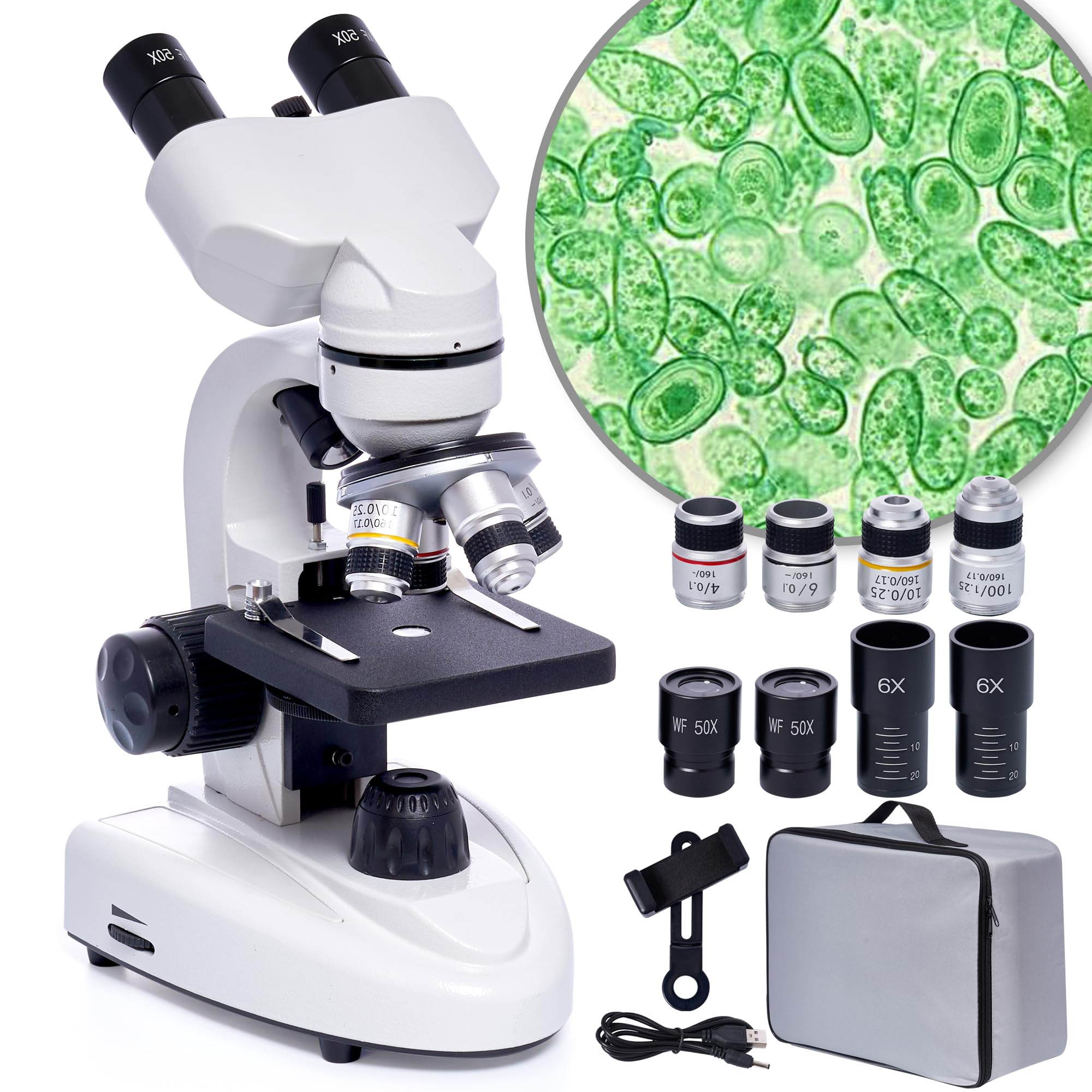
A binocular light microscope is laboratory equipment used in medical laboratories, hospitals, research institutions, and teaching facilities to observe microorganisms, cells, and other microscopic structures that cannot be seen with the naked eye.
Laboratories across Uganda rely on binocular microscopes when examining blood smears, urine sediments, parasites, bacteria, and tissue samples during diagnostic investigations.
At Fern Medical Supplies, we supply reliable binocular light microscopes designed to support clinical laboratory work and scientific training.
Microscopic examination remains one of the most important diagnostic methods in medical laboratories. Doctors often request microscopy tests when investigating infections such as malaria, tuberculosis, intestinal parasites, or bacterial infections.
For example, when a patient visits a hospital in Kampala with high fever and chills, a laboratory technologist may prepare a blood smear and examine it under a microscope to check for malaria parasites.
The binocular microscope allows the technologist to view the stained blood sample at high magnification and identify the parasites within red blood cells.
Laboratory staff also use microscopes to analyze urine samples, stool samples, and body fluids. In urinalysis testing, technologists examine urine sediment under the microscope to identify cells, crystals, bacteria, or parasites that may indicate infection or kidney disease.
Similarly, stool microscopy helps detect intestinal parasites such as hookworm, amoeba, or other organisms commonly encountered in tropical environments.
Across Uganda, hospitals and health centres rely on microscopes daily for these diagnostic investigations.
The binocular design of the microscope includes two eyepieces instead of one.
This design allows the user to view specimens using both eyes, which reduces eye strain and improves comfort during long periods of examination.
Laboratory technologists who examine many samples during the day often prefer binocular microscopes because they provide clearer and more comfortable viewing.
Teaching institutions and university laboratories also use these microscopes to train students studying laboratory sciences, microbiology, and medical diagnostics.
A binocular light microscope uses optical lenses and illumination to magnify microscopic objects. With magnification levels commonly ranging from 40x to 1000x, laboratory staff can examine cells, microorganisms, and tissue structures clearly.
At Fern Medical Supplies, we provide binocular microscopes suitable for hospital laboratories, research laboratories, diagnostic centres, and medical training institutions across Uganda.
Depending on optical quality, illumination system, and lens configuration, binocular microscopes typically range between UGX 3,500,000 and UGX 15,000,000.

How It Works
A binocular light microscope works by using lenses and light to magnify small objects placed on a glass slide. The process begins when a laboratory technologist prepares a specimen on a microscope slide. This specimen may be a blood smear, urine sediment, bacterial culture, or tissue sample.
The prepared slide is placed on the microscope stage and secured with clips. Light from the microscope’s illumination system passes through the specimen from below.
As the light travels through the sample, it carries an image of the microscopic structures present in the specimen.
The microscope contains two sets of lenses: the objective lenses and the eyepiece lenses. The objective lens located near the specimen provides the initial magnification, while the eyepiece lenses further enlarge the image.
The technologist adjusts the focus knobs to sharpen the image and observe the specimen clearly.
By switching between objective lenses of different magnification levels, the user can examine the sample at various levels of detail.
For example, a technologist may begin with a low magnification lens to locate the area of interest and then switch to a higher magnification lens to study microorganisms or cells closely.
Important Features
• Binocular viewing eyepieces
Allows laboratory staff to observe specimens using both eyes, reducing eye strain.
• Multiple objective lens magnification options
Supports detailed examination at different magnification levels.
• Integrated illumination system
Provides bright and consistent lighting for clear specimen viewing.
• Precision focus adjustment knobs
Allows users to achieve sharp images during microscopic examination.
• Stable mechanical stage platform
Holds microscope slides securely during observation.
• Durable optical lens construction
Provides clear and accurate magnified images.
• Rotating objective turret
Allows easy switching between different magnification lenses.
• Compact laboratory bench design
Fits easily on laboratory workstations.
• Suitable for clinical and teaching laboratories
Used in hospitals, universities, and diagnostic centres.
• Reliable laboratory grade construction
Designed for daily use in busy medical laboratories.
How to Place Your Order – Especially If You Need One
Equip your laboratory with reliable microscopy equipment for accurate diagnostic work. Fern Medical Supplies provides trusted binocular light microscopes for hospitals and laboratories across Uganda.
Contact us today by phone or WhatsApp and we will arrange delivery anywhere in Uganda, including Juba, Goma, and surrounding regions.
FAQs
When should I use “Immersion Oil”?
Oil is only used with the 100x objective. A drop of oil is placed on the slide to bridge the gap between the glass and the lens. This prevents light from refracting (bending), allowing for a much sharper image at very high power.
What is the “Iris Diaphragm” for?
Located under the stage, the diaphragm controls the amount of light reaching the specimen. It is not just for brightness; closing it slightly increases contrast, which is vital for seeing clear, translucent cells that haven’t been stained.
Why can’t I find the specimen on high power?
Always start at the lowest power (4x) to center the specimen and focus it. Once it is sharp, switch to the next objective. Most professional microscopes are parfocal, meaning they stay roughly in focus as you switch lenses.
How do I safely move the microscope?
Always carry it with two hands: one gripping the “arm” and the other supporting the “base.” Never carry it by the stage or the eyepiece tubes, as this can misalign the delicate internal optics.
How do I clean the lenses without scratching them?
Only use specialized lens paper and a lens cleaning solution. Never use paper towels, Kleenex, or your shirt, as these contain fibers that can permanently scratch the expensive optical coatings.
Do you have any inquiries or question regarding our Binocular Light Microscope service in Uganda

Order with trusted payment options.
Enjoy free delivery on all orders within Kampala.
Get expert help anytime, we’re always here for you.
Unlock exclusive deals, discounts offers.